Complete Guide
Basketball Prop Bets: The Data-Driven UK Bettor’s Guide to NBA Player Markets
Where Data Meets the Hardwood
By Marcus Chen
 Available in US
Three years ago, I watched a colleague place a £200 bet on a Lakers game. He was not betting on the Lakers to win. He was not even betting on the point spread. He wagered that LeBron James would record at least eight assists. The Lakers lost by fourteen points that night, but my colleague collected £380. That moment crystallised something I had been tracking in my models for months: the prop betting revolution had arrived, and most bettors were completely unprepared for it.
Basketball prop bets — proposition wagers focused on specific outcomes within a game rather than the final result — have transformed how we engage with the NBA. These bets isolate individual performances: how many points a player scores, how many rebounds they grab, whether they hit three or more three-pointers. Unlike moneyline or spread betting where you are essentially predicting the game’s outcome, props let you profit from knowledge that has nothing to do with which team wins.
The numbers tell the story. Player props now account for 25-30% of total basketball handle at major bookmakers, nearly doubling from roughly 15% just three years earlier. For UK bettors, this shift presents both opportunity and complexity. The NBA tips off at times that suit evening viewing here — most games begin between 11pm and 3am UK time — and British bookmakers have responded with increasingly deep prop markets.
But here is what most guides will not tell you: not all props are created equal. After nine years analysing player performance markets and running 15 different statistical models, I can confirm that certain prop categories offer genuine edges while others are priced with surgical precision. This guide breaks down everything you need to navigate these markets intelligently — from understanding the basic mechanics to exploiting the statistical patterns that most recreational bettors miss entirely.
Whether you are placing your first player prop or looking to sharpen an existing strategy, I have structured this resource around the data that actually matters. We will cover the critical distinctions between prop types, examine real win rates from the current season, and address the regulatory framework that shapes how UK bettors can participate in these markets. The goal is simple: give you the analytical foundation to make smarter decisions with your betting capital.
Table of Contents
- Five Numbers That Define NBA Prop Betting in 2026
- What Are Basketball Prop Bets?
- Player Props vs Team Props: Key Differences
- NBA Prop Betting Categories: From Points to Blocks
- Reading Prop Bet Odds: Decimal Format for UK Bettors
- 2025-26 Season Win Rates: What the Data Reveals
- How Injuries Reshape Prop Betting Lines
- Line Shopping: Finding Value Across UK Bookmakers
- Integrity and the 2025 NBA Gambling Scandal
- UK Gambling Regulations: What Prop Bettors Must Know
- Responsible Gambling Resources for UK Bettors
- Frequently Asked Questions About Basketball Prop Bets
Five Numbers That Define NBA Prop Betting in 2026
- 69.9%: Win rate for blocks props during the 2025-26 season — the highest of any statistical category, demonstrating that bookmakers struggle to price low-frequency events accurately.
- 60.3% vs 51.6%: UNDER bets outperform OVER bets across all prop categories. Recreational bias toward overs creates systematic value on the low side.
- 25-30%: Player props’ share of total basketball handle, nearly doubled from three years ago. This market is not a niche anymore — it is mainstream.
- £16.8 billion: UK gambling industry gross yield in 2025. Financial checks trigger at £500 monthly net losses; know the regulatory framework before you bet.
- 34 arrests: The 2025 NBA gambling scandal reshaped integrity monitoring and removed certain prop markets. Due diligence on what you bet matters as much as how you bet.
What Are Basketball Prop Bets?
Enter the line your bookmaker is offering and what you expect the player to do. The engine builds the full distribution of outcomes, strips the vig out of the price, and tells you whether there is real value left — calibrated against 10,580 graded picks from the 2025-26 season.
How it works. Points, rebounds, assists, threes and PRA are modelled as a normal distribution around your projection with category-specific variance; blocks and steals use a Poisson distribution, which fits low-frequency events far better. Minutes scale the projection linearly. The bookmaker price is de-vigged proportionally — if you leave the opposite side blank, a 7% overround is assumed. The value bar the edge has to clear is raised for overs and for efficiently priced categories, based on our 2025-26 win rate study. Full methodology in the player props analysis guide.
Estimates only. No model predicts a basketball game. 18+ — please gamble responsibly. Free, confidential support at BeGambleAware.
My first profitable month in this business came from a realisation that seems obvious now: most people betting on basketball are fighting over the same information. They pore over team records, head-to-head histories, and injury reports — all to predict which team wins or by how many points. But a proposition bet, or prop, asks a different question entirely. It ignores the scoreboard and focuses on specific events within the game.
A basketball prop bet is a wager on whether a particular outcome will occur, independent of the game’s final result. The simplest examples involve individual player statistics. Will a guard score over or under 22.5 points? Will a centre grab at least 10 rebounds? Will a playmaker dish out more than 7.5 assists? These props exist for nearly every statistical category the NBA tracks, and they have become the fastest-growing segment of sports betting globally — with basketball leading the charge toward 2030.
The mechanics differ fundamentally from traditional betting. With a moneyline bet, you are predicting a winner. With a point spread, you are predicting the margin of victory. Both outcomes depend on the collective performance of ten players and countless variables. Props narrow the focus. When I bet on a player’s rebounds total, I am analysing one person’s role, matchup, and opportunity — not trying to forecast everything that might happen across 48 minutes of play.
This is precisely why props appeal to bettors willing to do genuine research. Football dominates the global betting market with roughly 35% share, but basketball has emerged as the fastest-growing segment because its statistical richness translates directly into prop opportunities. Every possession generates data. Every substitution pattern tells a story. The NBA produces more granular, trackable statistics than any other major sport, and prop markets let you monetise that information.
Consider the structure of a typical prop bet. Bookmakers set a line — say, 24.5 points for a specific player — and offer odds on both sides. You can bet the over (25+ points) or the under (24 or fewer). The odds reflect the bookmaker’s assessment of probability, with the vig (their margin) built into both sides. In the UK, these odds are displayed in decimal format, which I find far more intuitive for calculating potential returns.
The range of available props extends far beyond basic statistics. You can bet on whether a player records a double-double, hits a certain number of three-pointers, or accumulates a specific combination of stats. Some bookmakers offer game props that are not player-specific — first team to score 20 points, highest scoring quarter, whether the game goes to overtime. The taxonomy can feel overwhelming at first, but it follows a logical structure once you understand the categories.
What makes props genuinely interesting, though, is how they interact with game flow. Traditional bets are settled by the final score. Props can be decided in the first quarter or extend into overtime. A player might hit their points over in 25 minutes, giving you a mental victory while the game is still in the third quarter. Or they might sit out the fourth quarter of a blowout, leaving you sweating a rebound total that seemed like a lock. This dynamic is both the appeal and the hazard of prop betting — something I will address throughout this guide.
Player Props vs Team Props: Key Differences
I spent the first two years of my career treating all props as variations of the same thing. That was a mistake that cost me money. Player props and team props operate on fundamentally different principles, require different analytical approaches, and — critically — offer different edge opportunities. Understanding this distinction is not optional; it is foundational.
Player props focus on individual performance. How many points will a specific guard score? Will a forward grab over 8.5 rebounds? These bets live and die by one athlete’s opportunity and execution. Team props, by contrast, aggregate outcomes. Will a team score over 112.5 points? Which team will lead after the first quarter? Will the combined score exceed 225? The unit of analysis shifts from one person to ten, and the variance profile changes accordingly.
| Characteristic | Player Props | Team Props |
|---|---|---|
| Primary focus | Individual performance | Collective outcome |
| Key variables | Usage rate, minutes, matchup | Pace, offensive/defensive efficiency |
| Variance | Higher (one player can have an off night) | Lower (team averages smooth out) |
| Research depth | Narrower but more specialised | Broader context required |
| Line movement | Sensitive to injury/lineup news | Responds to totals market shifts |
| Market efficiency | Less efficient in niche categories | More efficiently priced |
The research process differs substantially. For player props, I start with role analysis. What is the player’s usage rate? How many minutes have they averaged recently? Who guards them tonight, and how does that defender perform against their position? These questions require player-specific data and an understanding of coaching tendencies. For team props, I am thinking about pace — how many possessions each team generates — and how scoring efficiency might interact with defensive schemes. It is a different mental model entirely.
Correlation matters more with team props. If I bet a team’s total over, that outcome connects to the game’s total, the opposing team’s defensive performance, and even individual player props on that roster. Player props can exist in relative isolation. A centre might dominate the boards regardless of whether their team wins or loses, scores 90 points or 130. That independence is part of what makes player props analytically tractable for someone willing to specialise.
From an edge perspective, player props offer more opportunities for the prepared bettor. Team totals are among the most heavily traded markets, attracting sharp money that quickly corrects any mispricing. Player props — especially in lower-volume statistical categories — receive less attention and adjust more slowly. This is where I have found consistent value over the years. For a deeper exploration of how to analyse individual player performance markets, I cover the full methodology in my NBA player props analysis guide.
That said, team props have their place. They suit bettors who prefer lower variance and are comfortable analysing matchups at the macro level. If you have a strong read on how two teams’ styles will interact — say, two fast-paced offences that struggle defensively — a team total can be a cleaner expression of that thesis than trying to isolate one player’s performance within the chaos.
NBA Prop Betting Categories: From Points to Blocks
Let me tell you about the bet that changed how I think about category selection. It was February 2024, and I had been grinding points props for months with mediocre results. Then I noticed something in my tracking spreadsheet: my blocks and steals props were hitting at nearly 65%, while my points props hovered around 52%. Same analytical rigour, dramatically different outcomes. The difference was not my skill — it was the market itself.
Not all statistical categories are priced with equal precision. This is the single most important insight for anyone serious about prop betting. The points market attracts enormous volume, sophisticated bettors, and algorithmic pricing models that leave little room for error. Meanwhile, defensive statistics like blocks and steals see a fraction of that action, and the inefficiencies persist. Here is how the major categories break down:
Points
The flagship prop category. Lines are tight, volume is high, and bookmakers have mountains of data to inform their pricing. This is where recreational bettors congregate, which means the market reflects consensus expectations almost perfectly. Edge exists, but it is measured in fractions of a percent and requires exceptional situational analysis to exploit consistently.
Rebounds
More variance than points but still heavily traded. Rebounds depend heavily on playing time, role (bigs dominate the glass), and opponent rebounding tendencies. The category splits into offensive and defensive rebounds for some props, which adds analytical complexity. Blowouts present significant risk since starters often sit in lopsided games.
Assists
Uniquely dependent on teammates. A point guard can create perfect looks all night, but if shooters miss, the assists do not materialise. This teammate dependency introduces variance that pricing models struggle to capture, creating occasional opportunities. Analysing recent shooting performance of a player’s teammates can reveal edges.
Three-Pointers Made
High variance, high opportunity. A shooter might go 1-9 one night and 6-8 the next with identical shot quality. This volatility makes precise pricing difficult. Volume shooters with consistent attempt rates offer the most predictable targets, but even they can have cold streaks that defy statistical expectation.
Blocks
The category I watch most closely. Blocks are low-frequency events — even elite rim protectors average only 2-3 per game — which makes them inherently difficult to price. Small sample sizes within a season mean bookmaker projections rely heavily on career averages, sometimes missing recent form or matchup-specific opportunities.
Steals
Similar dynamics to blocks: low frequency, high variance, pricing challenges. Certain defenders thrive against turnover-prone ball handlers, but these matchup edges are not always reflected in the lines. Steals also correlate with aggressive defensive schemes, which can vary based on game situation.
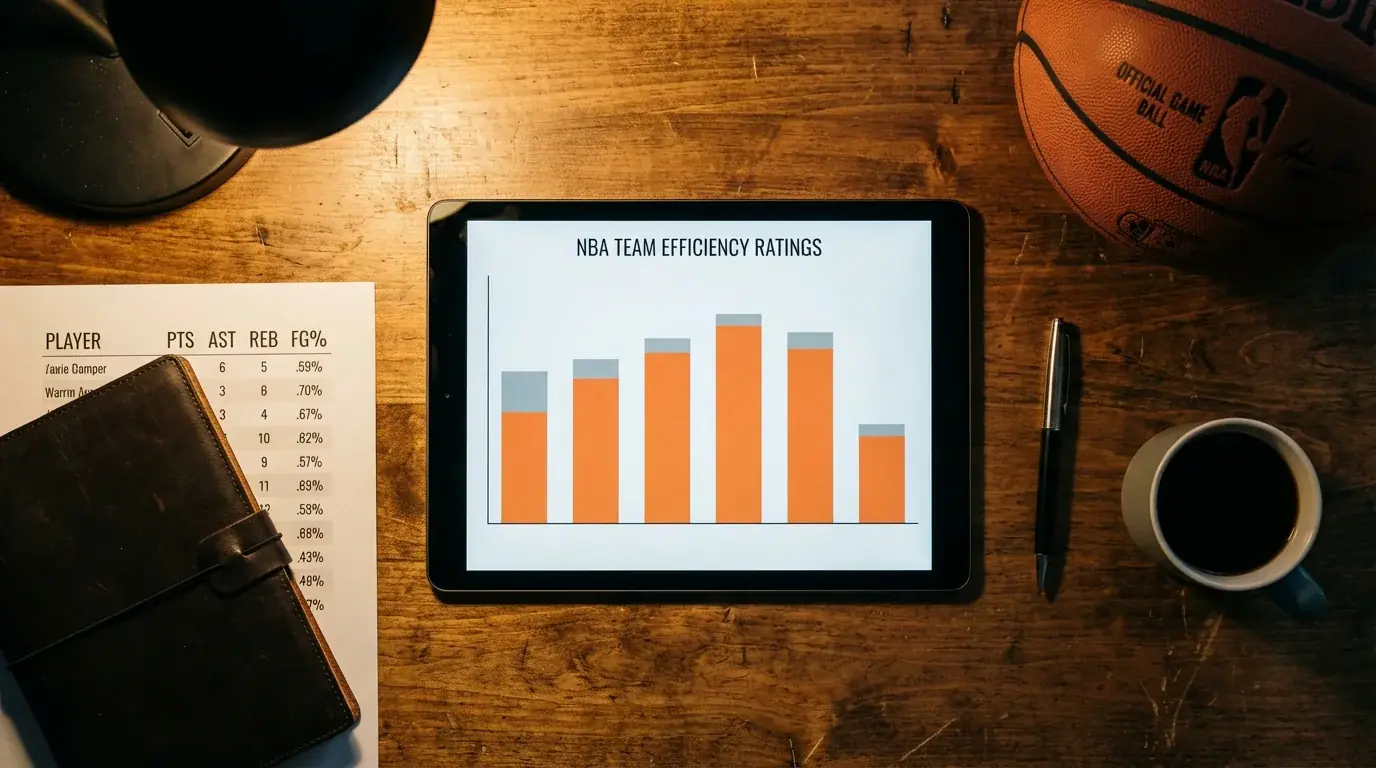
The PRA combo — points, rebounds, and assists combined into a single number — deserves special mention. These props aggregate statistics, which theoretically smooths out variance but also concentrates the market’s attention. PRA props are priced efficiently because they attract serious volume, so the mispricing opportunities that exist in standalone defensive categories rarely appear here.
An AI sports analytics team put it plainly when reviewing their own performance data: high-variance categories that bookmakers struggle to price precisely — blocks, threes, steals — are where analytical engines find the most edge, while heavily traded markets like points and PRA are more efficiently priced. This matches my experience exactly. The 2025-26 season data I will break down shortly confirms this pattern with striking clarity.
For new prop bettors, I typically recommend starting with points props to understand the mechanics and then gradually expanding into lower-volume categories as your analytical skills develop. The learning curve is steeper for defensive stats because you need to understand individual player tendencies, defensive schemes, and opponent tendencies at a granular level. But the edge potential makes that investment worthwhile.
Reading Prop Bet Odds: Decimal Format for UK Bettors
I remember the confusion when I first started following American betting content. Everyone quoted odds like “-110” and “+120,” which meant absolutely nothing to me. UK bookmakers display decimal odds, and honestly, once you understand the format, you will wonder why anyone uses anything else. Decimal odds tell you exactly what you will receive for every pound wagered, including your original stake. No conversion required.
Here is the basic principle. A decimal odd of 2.00 means you receive £2 for every £1 bet — your original stake plus £1 profit. An odd of 1.90 returns £1.90, meaning £0.90 profit on a winning £1 bet. The maths is multiplication: stake times decimal odds equals total return. If you bet £50 at odds of 1.85, you receive £92.50 back (£50 x 1.85), which represents £42.50 profit.
Calculating Prop Bet Returns
Suppose a bookmaker offers a points prop at over 24.5 with odds of 1.87. You stake £30.
Total return if the bet wins: £30 x 1.87 = £56.10
Profit: £56.10 – £30 = £26.10
Implied probability: 1 / 1.87 = 53.5%
That implied probability calculation is crucial. Decimal odds encode the bookmaker’s assessment of likelihood plus their margin. Odds of 1.87 imply the bookmaker believes the outcome has roughly a 53.5% chance of occurring. If your analysis suggests the true probability is 58%, you have identified potential value. This gap between implied and actual probability is where profitable betting lives.
Prop markets typically display odds close to even on both sides — something like 1.87 on the over and 1.87 on the under. The gap between what the true probabilities would sum to (100%) and what the implied probabilities sum to (around 107% in this example) represents the bookmaker’s margin, sometimes called the overround or vig. Lower margins mean better value for bettors, which is one reason line shopping across multiple bookmakers matters.
One nuance specific to props: odds can shift more dramatically than spreads or totals because the markets are thinner. If a respected bettor places significant money on a player’s rebounds prop, the line might move half a point and the odds might adjust noticeably within minutes. For UK bettors watching NBA games that tip off late in the evening, this means early lines (typically available 12-24 hours before tipoff) often differ from the numbers available at game time. Tracking these movements helps identify where sharp money is flowing.
When I am evaluating a prop, I convert the odds to implied probability immediately. This habit forces me to think in terms of likelihood rather than potential payout. A juicy +200 (3.00 in decimal) might feel exciting, but it implies only a 33% win probability. If I believe the true probability is 30%, that “exciting” bet is actually negative expected value. The decimal format keeps this reality front and centre.
2025-26 Season Win Rates: What the Data Reveals
Numbers do not lie, but they can certainly surprise you. When I compiled the win rate data from the current NBA season, the category differences exceeded even my expectations. We are not talking about marginal variations — we are talking about some categories hitting nearly 70% while others barely crack 55%. If you take nothing else from this guide, understand that your category selection might matter more than the quality of your individual picks.
The most comprehensive dataset I have access to covers over 10,500 graded prop picks from the 2025-26 season. Here is how the categories break down:
Blocks props have posted a 69.9% win rate across 379 graded selections. That number should stop you cold. In a market where anything above 55% represents significant edge, nearly 70% borders on extraordinary. The sample size is smaller than other categories — blocks are lower-frequency events — but the pattern is consistent with what I have observed over multiple seasons.
Three-point props come in at 63.2% across 723 selections. Shooting variance makes these markets difficult to price, and the data confirms that bookmakers have not solved the puzzle. Volume shooters with high attempt rates provide the most predictable targets, but even role players show exploitable patterns when their recent shooting trends diverge from career averages.
Steals props show a 61.9% hit rate on 294 picks, while assists props clock in at 57.6% over 965 selections. Both categories outperform points, though assists benefit from larger sample sizes that give the data more statistical weight. The steals edge likely persists because matchup-specific factors — certain ball handlers are turnover-prone against pressure — do not always get priced appropriately.
Points props, despite being the category most bettors gravitate toward, delivered only a 55.7% win rate across 2,402 graded picks. That is still profitable territory, but the edge is thin compared to defensive categories. This is the most heavily traded market, attracting professional bettors and sophisticated pricing models that squeeze out inefficiencies quickly.
Here is the finding that surprised me most: UNDER bets hit at 60.3% compared to just 51.6% for OVER bets across all categories. Recreational bettors love action and excitement, which pulls them toward overs. Bookmakers know this and shade their lines accordingly. The market systematically overvalues the probability of high statistical outputs, creating persistent value on the low side.

What drives these disparities? High-variance categories — those where nightly performance fluctuates dramatically around the mean — are harder to price with precision. Bookmakers set lines based on expected values, but when actual outcomes scatter widely around those expectations, small pricing errors translate into larger hit rate differences. Blocks exemplify this dynamic. A rim protector averaging 2.1 blocks per game might have 5 one night and 0 the next. That volatility benefits bettors who can identify when conditions favour outcomes at the extremes.
For a comprehensive breakdown of this data, including methodology and practical applications, see my full prop bet win rates analysis. The category you bet matters. The side you bet matters. And the intersection of those two choices matters most of all.
How Injuries Reshape Prop Betting Lines
A Thursday night in January taught me more about injury impact than any model ever could. LeBron James was ruled out 45 minutes before tipoff, and I watched in real time as prop lines across the Lakers’ roster shifted dramatically. Anthony Davis’ rebounds jumped from 11.5 to 13.5. Austin Reaves’ points moved from 14.5 to 18.5. The cascade was immediate and, for prepared bettors, immensely profitable.
Injuries create what I call cascade effects — the redistribution of statistical opportunity when a player exits the equation. When a primary scorer sits, someone else absorbs those shot attempts. When a point guard is out, another ball handler sees increased assist opportunities. These shifts are mathematically predictable, but bookmakers often lag in adjusting their lines, especially when injury news breaks close to game time.
The timing window matters enormously. Lines typically begin adjusting within 30-90 minutes of injury news, but the initial movement often undershoots the true impact. A star player contributes more than their raw statistics suggest — their gravity affects teammates’ opportunities in ways that simple replacement calculations miss. If you can access injury information quickly and have pre-calculated the likely cascade effects for key players, this window offers genuine edge.
Different statistical categories respond differently to absences. Scoring opportunities redistribute most predictably; rebounds depend heavily on the injured player’s position; assists suffer most when the primary playmaker sits because secondary ball handlers often lack the vision or role to replicate creation rates. Blocks can spike if a backup rim protector draws into the starting lineup against an interior-focused offence, or collapse if the injured player was the team’s only defensive anchor.
For UK bettors, the challenge is informational. NBA injury reports follow specific disclosure rules, but late scratches and game-time decisions mean news can break when most of Britain is asleep. Following team beat reporters on social media and setting up alerts for key players’ statuses has become part of my evening routine during the season. The bettors who profit from injury-driven line movements are the ones who learn about changes first.
The cascade effect also works in reverse. When a player returns from injury, their teammates’ opportunities contract. If you have been betting a secondary player’s inflated props during the starter’s absence, recognise when that value evaporates. Markets adjust to returns more slowly than to absences — another asymmetry worth exploiting.

Line Shopping: Finding Value Across UK Bookmakers
The laziest mistake I see prop bettors make is placing every bet with the same bookmaker. Last week I found a rebounds prop at 9.5 with one UK operator and 10.5 at another. Same player, same game, same night — a full point difference on a market where half-point moves matter. That is free value sitting on the table, and most bettors never bother to collect it.
Line shopping means comparing odds and lines across multiple bookmakers before placing a bet. In the UK market, licensed operators often price props differently because their risk models, exposure levels, and customer bases vary. One bookmaker might have taken significant action on the over, shading their line down, while another saw balanced action and kept the line centred. These discrepancies create arbitrage-like opportunities that require nothing more than maintaining accounts at several books.
The value of line shopping compounds over time. Assume you average 0.3 better odds per bet through comparison shopping — a conservative estimate based on my tracking. Over 1,000 bets, that fraction translates into roughly 30 additional “free” bets worth of expected value. For serious prop bettors placing multiple wagers weekly, this accumulates to meaningful profit that costs nothing but a few extra minutes of effort.
UK bookmakers vary in their NBA prop depth. Some offer extensive player markets covering points, rebounds, assists, blocks, steals, three-pointers, and combinations. Others provide only basic props on marquee players. Knowing which books cover which markets saves time and ensures you are not missing better lines simply because you did not think to check. I maintain a mental map of which operators lead in specific categories — not to recommend any particular bookmaker, but to know where my comparison search should begin.
Timing interacts with line shopping. Early lines — typically released 12-24 hours before tipoff — often differ more significantly across books than closing lines. Sharp money tends to move all boats in the same direction as game time approaches. If you have a strong conviction on a prop, betting early and shopping aggressively can capture line value before consensus forms. Conversely, if you wait for injury news or lineup confirmation, the lines will have converged and the shopping edge shrinks.
Same-game parlays complicate the shopping equation. These products bundle multiple props into correlated bets with adjusted odds, and each bookmaker prices correlations differently. A two-leg parlay might pay 2.8 at one book and 3.1 at another, with the same underlying selections. For bettors who use parlays strategically — despite the elevated hold rates I will discuss in my same-game parlay strategy guide — shopping remains essential but requires comparing the combined product, not just individual legs.
Integrity and the 2025 NBA Gambling Scandal
October 2025 shook the sports betting world. I was reviewing my models when the news broke: 34 arrests in connection with an NBA gambling scandal, including active players and coaching staff. The FBI had unravelled a sophisticated manipulation scheme that exploited exactly the market dynamics I had been tracking for years. It was a sobering reminder that prop betting’s greatest strength — isolating individual performance — is also its greatest vulnerability.
The scandal centred on prop bet manipulation. Players and coaches allegedly shared confidential information about playing time, injury severity, and performance intentions with betting intermediaries. The FBI director described the operation bluntly as mind-boggling fraud. A federal prosecutor characterised it as a sophisticated conspiracy involving athletes, coaches, and intermediaries who exploited confidential information for profit, noting that insider betting schemes erode the integrity of American sports.

This was not the NBA’s first encounter with prop-related integrity issues. The Jontay Porter case in 2024 had already exposed how vulnerable certain markets were to manipulation. Porter, a player on a two-way contract — the type that shuttles athletes between the NBA and its developmental G League — received a lifetime ban after admitting to sharing confidential injury information and deliberately underperforming to manipulate his own statistical props. The scandal prompted immediate regulatory response.
NBA Commissioner Adam Silver addressed the issue directly, explaining that the league had asked some partners to pull back certain prop bets, particularly those involving two-way players who lack the same financial stake in competition and where manipulation of outcomes that seem small and inconsequential to the overall score becomes too easy. The league subsequently banned prop betting entirely on players with two-way contracts — a significant market contraction but a necessary integrity measure.
For UK bettors, the implications ripple through our markets even though the manipulation occurred stateside. Bookmakers globally have tightened their monitoring, reduced limits on certain prop types, and become more aggressive about flagging unusual betting patterns. If you notice a line moving sharply before any public injury news, be cautious. What might look like sharp money could be information leakage from compromised sources — and betting into manipulated markets, even unknowingly, carries reputational and potentially legal risks.
The scandal also highlighted a fundamental asymmetry in prop markets. High-profile players with massive contracts have little incentive to risk their careers and earnings for betting schemes. Lower-paid athletes — especially those on precarious roster spots — face different incentive structures. This is why two-way contracts became the vulnerability point, and why regulatory attention now focuses on ensuring that the people closest to outcomes have aligned incentives against manipulation.
I explore the full timeline and market consequences in my detailed breakdown of the 2025 NBA gambling scandal. For now, the practical takeaway is simple: be aware that integrity concerns are not abstract threats. They affect which markets bookmakers offer, how lines are priced, and how aggressively suspicious activity gets flagged. Betting responsibly means understanding this landscape, not just the statistics.
UK Gambling Regulations: What Prop Bettors Must Know
Every pound you wager on NBA props flows through one of the most heavily regulated betting environments in the world. The UK gambling industry generated £16.8 billion in gross gambling yield during 2025, and the framework governing that activity affects how you bet, what information bookmakers can request, and what protections exist if things go wrong. Ignoring these regulations is not an option for serious bettors.
The UK Gambling Commission oversees all licensed betting operators, establishing rules that shape your experience as a customer. About 10% of the UK population actively participates in online sports betting, which sounds modest until you realise that translates to millions of bettors whose activities are monitored, tracked, and subject to intervention triggers. This is not an unregulated Wild West — it is a structured marketplace with significant consumer protections and obligations.

Financial checks represent the regulation most likely to affect regular prop bettors. Since January 2025, operators must conduct enhanced due diligence when a customer’s monthly net losses exceed £500. These checks can involve requests for documentation of income, source of funds, or affordability assessments. The intent is consumer protection — preventing problem gambling and ensuring people are not betting beyond their means — but the process can feel intrusive if you are unprepared.
What triggers these checks varies by operator, but the £500 threshold is universal. If your net spending (deposits minus withdrawals) crosses that line within a calendar month, expect contact from the bookmaker’s responsible gambling team. They might ask about your employment, request bank statements, or simply ask you to confirm that your betting activity is affordable. Having documentation ready and responding promptly keeps your account active; ignoring requests can lead to restrictions or closure.
Account limits are another reality of UK betting. Bookmakers can restrict your maximum stakes, limit which markets you can access, or close your account entirely — often without detailed explanation. While frustrating, this is legal. The asymmetry favours operators: they want recreational action and can discourage customers who win consistently. For prop bettors who develop genuine edge, this means maintaining accounts across multiple licensed bookmakers and avoiding patterns that flag you as a sharp.
Self-exclusion schemes provide important backstops if betting becomes problematic. GamStop allows you to exclude yourself from all UK-licensed gambling sites for periods ranging from six months to five years. SENSE provides similar functionality for land-based betting shops. These tools exist because the regulator recognises that gambling can harm vulnerable individuals, and responsible operators are required to participate in these schemes.
The regulatory landscape continues to evolve. A landmark shift arrives in the 2026/27 football season when gambling sponsorship logos will be banned from Premier League shirts — part of a broader push to reduce gambling advertising exposure. While this does not directly affect NBA betting, it signals the direction of travel: tighter restrictions, more consumer protection, and increased scrutiny of operator practices. My comprehensive guide to UK Gambling Commission betting rules covers upcoming changes and how to navigate the existing framework.
Responsible Gambling Resources for UK Bettors
I lost a friend to problem gambling. Not literally — he is still alive — but the person he was before sports betting consumed his life no longer exists. He started with small prop bets, the same markets I analyse professionally. Within eighteen months, he had depleted his savings, damaged his marriage, and developed anxiety that required clinical intervention. His story is not unique, and it is why this section exists in a guide otherwise focused on finding edge.
Prop betting carries specific risks that traditional sports betting does not. The frequency of opportunity — multiple bets available on every NBA game, every night of the season — creates a tempo that can accelerate problematic behaviour. The granularity of props also creates more “near misses,” those maddening outcomes where a player finishes one rebound short or hits the exact number you needed on the wrong side. These near misses keep people chasing in ways that moneyline betting rarely does.
The tools for managing this risk exist and work. Deposit limits let you cap how much money you can add to your account daily, weekly, or monthly. Loss limits trigger alerts or pauses when your net losses exceed a threshold you set. Session time limits remind you when you have been betting for extended periods. Every UK-licensed bookmaker is required to offer these tools, and using them is not a sign of weakness — it is risk management, the same discipline you apply to bet sizing.
GamStop provides the ultimate backstop. Registering excludes you from all UK-licensed gambling sites simultaneously, with minimum periods of six months, one year, or five years. During exclusion, you cannot open new accounts or access existing ones. This is designed for people who recognise they have lost control, and it works because the commitment is externally enforced. If you find yourself unable to take breaks voluntarily, GamStop makes the decision binding.
GamCare offers free support through counselling, forums, and a helpline staffed by trained advisors. Their services are confidential and available to anyone affected by gambling — including family members who are watching someone they love struggle. The NHS also provides gambling addiction treatment through local services, recognising that problem gambling is a public health issue that deserves clinical resources.
The questions worth asking yourself periodically: Am I betting more than I can afford to lose? Do I chase losses by increasing stake sizes? Does thinking about betting interfere with other parts of my life? Am I being honest with people close to me about my gambling activity? If any answer is yes, the tools and resources above deserve serious consideration. Edge in prop betting means nothing if the activity itself is causing harm.
Frequently Asked Questions About Basketball Prop Bets
What are basketball prop bets and how do they work?
Basketball prop bets are wagers on specific outcomes within a game that do not depend on which team wins. Instead of betting on the Lakers to beat the Celtics, you might bet that LeBron James scores over 27.5 points. Bookmakers set a line — the statistical threshold — and offer odds on both the over and under. If James scores 28 or more points, the over wins. If he scores 27 or fewer, the under wins. The bet settles based on the player’s actual performance, regardless of the game’s final result.
What is the difference between player props and team props?
Player props focus on individual performance — one athlete’s points, rebounds, assists, or other statistics. Team props aggregate outcomes for the entire squad — total team points, first-quarter scoring, whether the team wins by a certain margin. The analytical approaches differ significantly: player props require understanding one person’s role and matchup, while team props demand macro-level analysis of pace, efficiency, and how two teams’ styles interact. Player props generally offer more edge opportunities because they receive less sharp attention.
How do injuries affect NBA player prop bets?
Injuries redistribute statistical opportunity across a roster. When a primary scorer sits, teammates absorb additional shot attempts. When a playmaker is out, other ball handlers see increased assist opportunities. These cascade effects can dramatically shift prop lines, sometimes within 30-90 minutes of injury news breaking. Bettors who can quickly identify how an absence redistributes opportunity — and act before lines fully adjust — often find significant value. Conversely, missing injury news and betting into stale lines is a reliable way to lose money.
What does PRA mean in NBA prop betting?
PRA stands for points plus rebounds plus assists — the three statistics combined into a single total. If a player scores 22 points, grabs 8 rebounds, and dishes 5 assists, their PRA total is 35. Bookmakers offer over/under lines on this combined figure. PRA props theoretically reduce variance by aggregating statistics, but they are also heavily traded and efficiently priced, meaning edge opportunities are smaller than in standalone categories like blocks or steals.
Are NBA prop bets legal in the UK?
Yes, NBA prop betting is fully legal in the UK when conducted through operators licensed by the UK Gambling Commission. These bookmakers must comply with regulations covering consumer protection, responsible gambling tools, and financial transparency. The legal framework ensures that your funds are protected and that operators meet specific standards. Betting through unlicensed offshore operators, however, removes those protections and may create legal exposure.
What are the most profitable NBA prop bet categories?
Based on 2025-26 season data, defensive statistics offer the strongest win rates. Blocks props have hit at 69.9%, three-pointers at 63.2%, and steals at 61.9%. Points props — the most heavily traded category — show only 55.7% win rates, reflecting how efficiently that market is priced. The pattern makes sense: high-variance categories with smaller bet volumes are harder for bookmakers to price precisely, creating exploitable gaps for prepared bettors. Additionally, UNDER bets across categories outperform OVER bets, hitting at 60.3% versus 51.6%.
How do I read and understand prop bet odds?
UK bookmakers display decimal odds, which show your total return per pound wagered including your original stake. Odds of 1.90 mean you receive £1.90 back on a winning £1 bet — your stake plus £0.90 profit. To calculate returns, multiply your stake by the decimal odds. To convert odds into implied probability, divide 1 by the decimal odds. For example, odds of 2.00 imply a 50% probability (1 / 2.00 = 0.50). Comparing implied probability against your own assessment of likelihood reveals whether a bet offers value.
Created by the ”Basketball Prop Bets” editorial team.